
Braces Vs Invisalign
A Straightforward Guide To Choosing The Right Orthodontic Treatment
If you’re considering straightening your teeth, the two most common options are traditional fixed braces and clear aligner systems like Invisalign. Both can deliver excellent results, but they work differently, suit different cases and demand different levels of commitment from the patient.
This guide strips away the noise and gives you a clean, honest comparison so you can decide which approach fits your mouth, your lifestyle and your expectations.
What Are Traditional Braces?
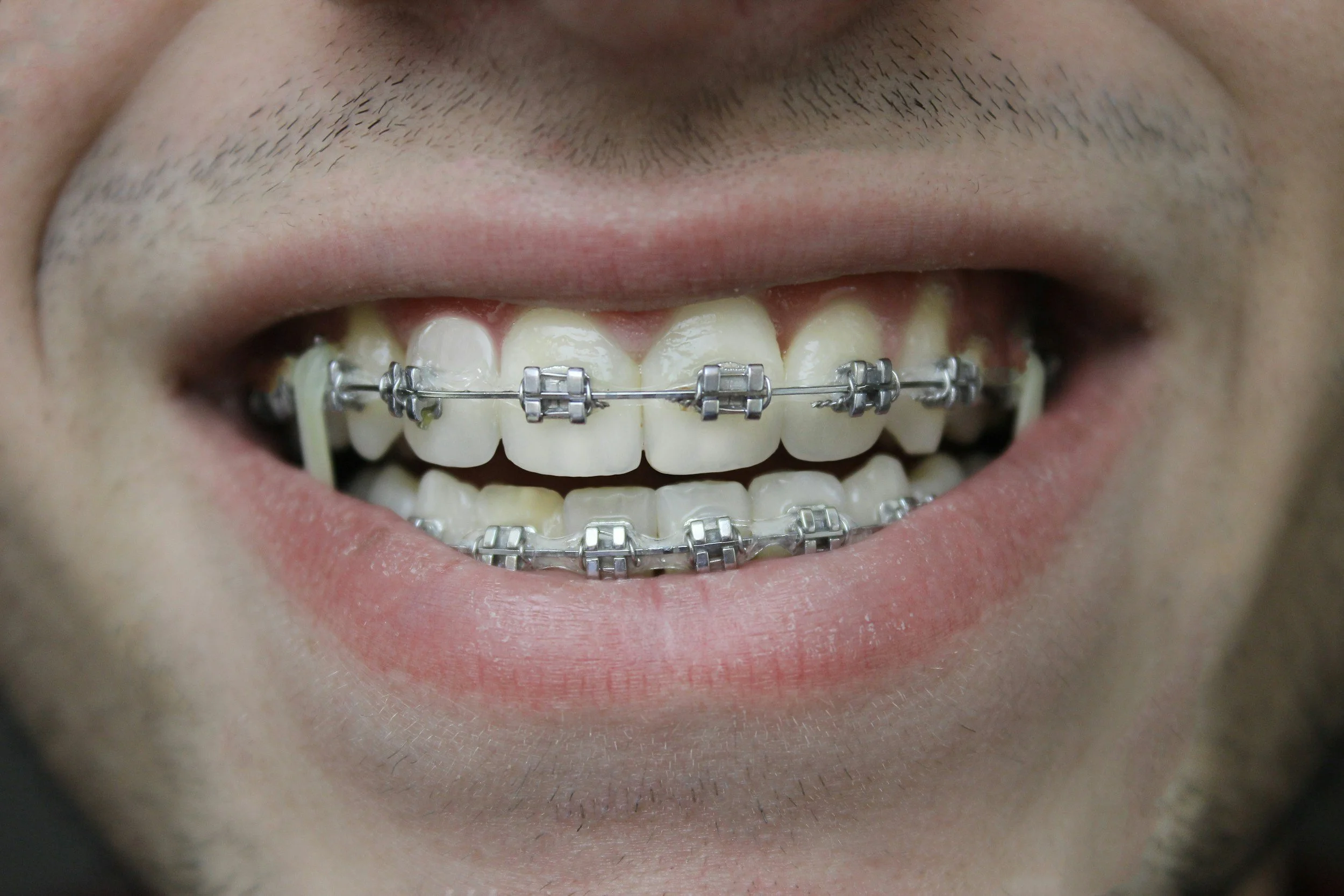
Traditional braces use metal or ceramic brackets attached to each tooth, connected with a wire that applies controlled forces to move the teeth. They remain the most predictable and versatile orthodontic tool available, especially for complex cases.
Key points
Fixed to the teeth 24 hours a day
Work continuously without relying on patient compliance
Capable of correcting complex bite problems and significant rotations
Visible, and require more effort for brushing and cleaning
Some dietary restrictions apply
What Is Invisalign?
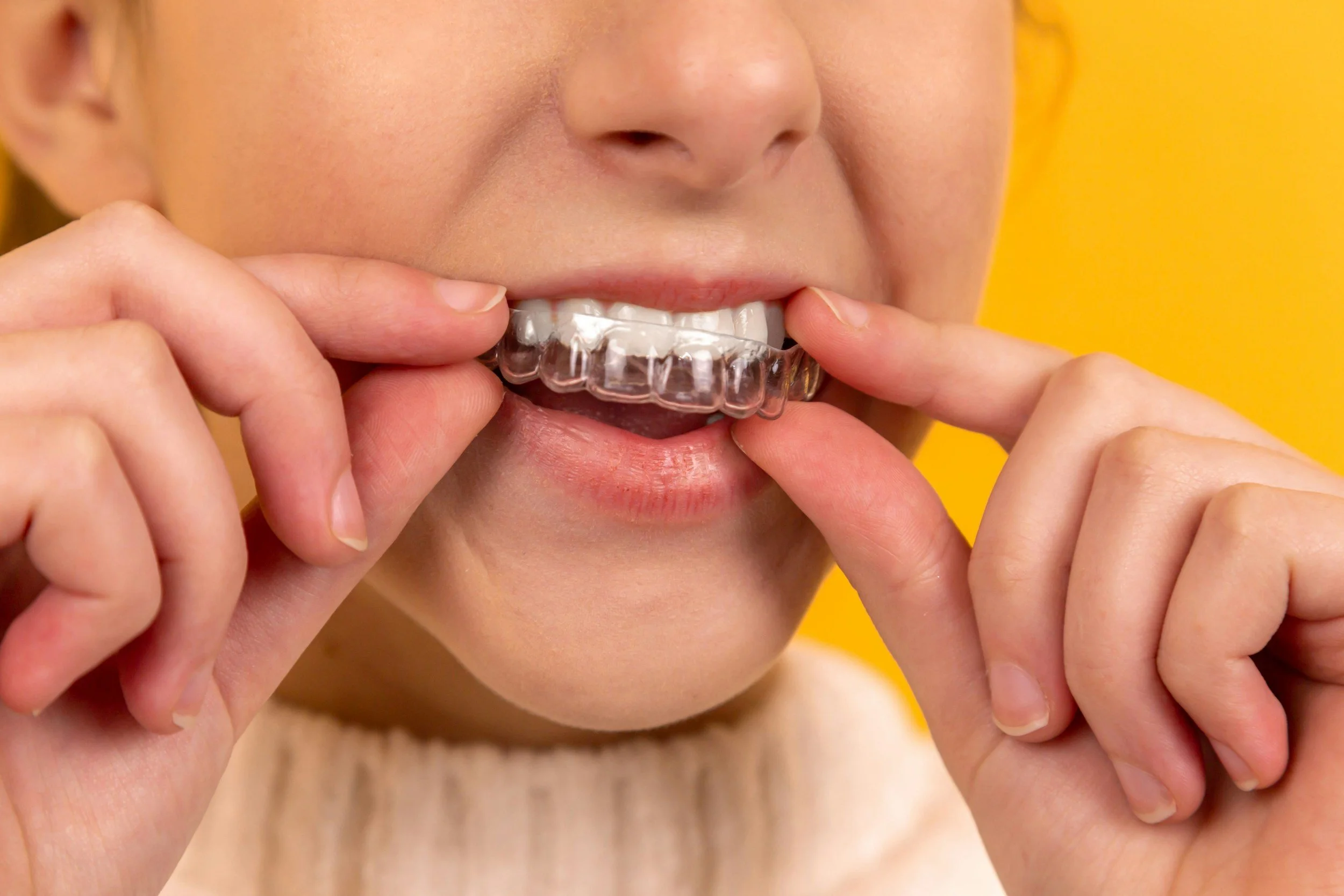
Invisalign uses a series of custom made clear aligners to gradually move the teeth. Patients switch to a new set every 1 to 2 weeks, each one bringing the teeth closer to their final position.
Key points
Nearly invisible
Removable for eating, drinking and brushing
Comfortable, with no brackets or wires
Requires strict wear time of 20 to 22 hours a day
Not always suitable for the most complex movements without additional attachments or elastics
Braces Vs Invisalign: Key Differences
Appearance
Braces: Visible metal or ceramic brackets
Invisalign: Clear aligners that are barely noticeable
Removability
Braces: Fixed in place
Invisalign: Removable, but must be worn most of the day
Comfort
Braces: Can cause irritation from wires or brackets
Invisalign: Smooth edges, generally more comfortable
Effectiveness
Braces: Best for complex cases and detailed bite corrections
Invisalign: Excellent for mild to moderate alignment issues
Oral Hygiene
Braces: Harder to clean around, higher plaque risk
Invisalign: Teeth can be cleaned normally
Diet
Braces: Avoid sticky, chewy and very hard foods
Invisalign: No food restrictions
Compliance
Braces: Always working
Invisalign: Only effective if worn consistently
Treatment Time
Both systems can achieve similar timeframes depending on the case. Mild cases may finish in as little as 6 to 12 months. Complex cases may require 18 to 30 months regardless of appliance type.
Which Option Is Better?
There is no universal winner. The right option depends on your teeth, your bite and your habits.
Choose Braces if:
You have significant crowding, rotations or bite issues
You want the most controlled and predictable method
You prefer not to worry about losing or forgetting aligners
You’re treating a child or teen who may not comply with aligner wear
Choose Invisalign if:
You want a discreet treatment that fits your lifestyle
Your case is mild to moderate
You are committed to wearing the aligners full time
You want the freedom to eat normally and brush without obstruction
Final Thoughts
Both braces and Invisalign are powerful, effective orthodontic tools. The best way to choose between them is through a proper clinical assessment. Your bite, skeletal pattern, gum health and long term goals all influence which system will give you the best and most stable result.
If you’re unsure which option is right for you, book a consultation and we’ll guide you through the most suitable approach for your teeth and your lifestyle.
